


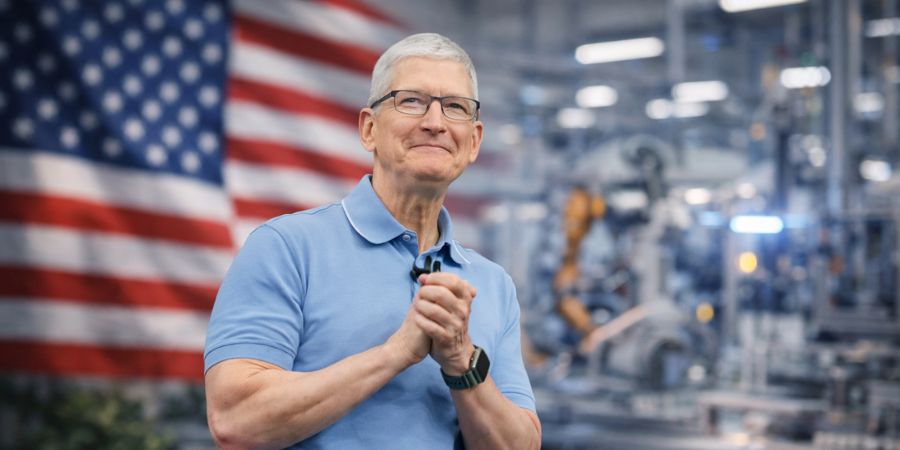
Tim Cook Expands Apple’s U.S. Manufacturing Strategy
Tim Cook, CEO of Apple, announced a major expansion of the company’s “American Manufacturing Program,” reinforcing its commitment to domestic production. The initiative includes new partnerships with global suppliers such as Bosch and TDK, aimed at strengthening Apple’s U.S.-based supply chain for critical components.
The move is part of a broader “U.S.-First” manufacturing strategy that focuses on producing advanced AI-related components within the United States by late 2026.
Why Tim Cook Is Trending Today
Tim Cook is trending across business and economic platforms following this announcement, as analysts and industry experts closely examine Apple’s evolving manufacturing approach. The addition of Bosch and TDK signals a significant shift toward localized, high-tech production.
Search interest has surged due to growing global competition in artificial intelligence and increasing pressure on tech giants to secure resilient supply chains. Cook’s strategy positions Apple as a leader in reshoring critical manufacturing capabilities.
Strengthening the American Manufacturing Program
Apple’s American Manufacturing Program, initially launched to support U.S. innovation and job creation, is now entering a new phase of expansion. By onboarding world-class partners, the company aims to accelerate the development of next-generation technologies, particularly in AI hardware.
Bosch is expected to contribute expertise in advanced engineering and automation, while TDK brings strengths in electronic components and materials science. Together, these partnerships are likely to enhance Apple’s production capabilities and reduce dependency on overseas manufacturing.
Focus on AI and Strategic Independence
A key element of this initiative is Apple’s focus on producing essential AI components domestically. As demand for AI-powered devices and services continues to grow, securing a reliable and efficient supply chain has become a top priority.
By investing in U.S.-based manufacturing, Apple is not only addressing geopolitical and logistical challenges but also aligning with broader economic policies that encourage domestic production. This approach may also influence other technology companies to follow similar strategies.
What Comes Next
As Tim Cook continues to push forward with Apple’s U.S.-first manufacturing vision, industry observers will be watching closely for further partnerships and infrastructure investments. If successful, this initiative could redefine how global tech companies approach production—potentially marking a long-term shift toward localized, innovation-driven manufacturing ecosystems.