


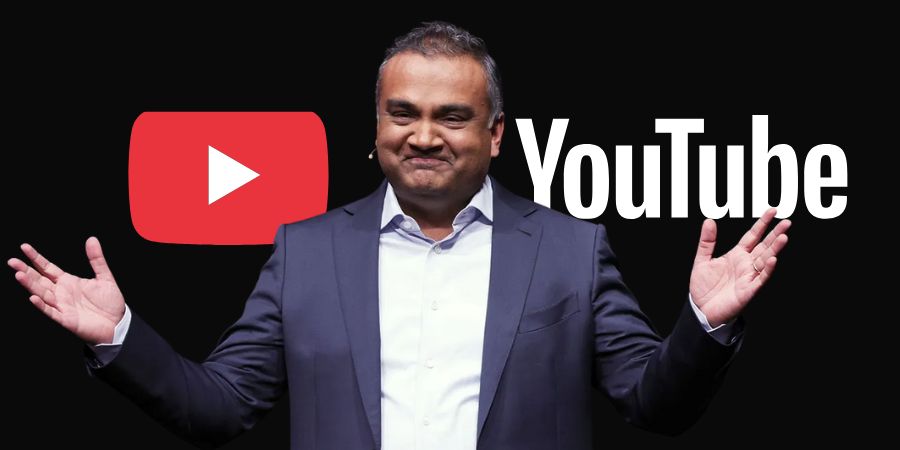
In an annual letter to the YouTube community, YouTube CEO Neal Mohan has made the mitigation of low-quality, repetitive AI content, commonly referred to as YouTube AI slop, one of the very first priorities of the platform in 2026.
In the letter, Neal Mohan has elaborated that YouTube will continue investing in AI-based creative features as well as beefing the frameworks that curb spam, clickbait, and low-effort automated videos. The company wants to find a balance between innovation and a high-quality viewing experience to both users and advertisers.
YouTube AI slop crackdown in 2026
Neal Mohan acknowledged that un-original or valuable content has risen through the adoption of generative AI at a high pace. He explained that YouTube is standing on the foundations of existing moderation systems to reduce the publication of AI slop- especially that information that is misleading, repetitive, or artificially created using few to no human aspects.
The strategy is based on enhanced counter measures such as better detection systems and enforcement tools that were in place to fight spam and policy breach in the past. Neal Mohan highlighted that the idea is not to prohibit AI-generated works but to deter the misuse of this technology that would focus on quantity and not quality.
AI tools remain central to creator strategy
Even with the fear of low-quality production, YouTube will keep increasing AI tools to creators. In a bid to underline the increasing use of technology to productions, Neal Mohan disclosed that over one million channels made use of the AI creation tools of YouTube every day in December.
New features planned in 2026 are the capability of creators to make Shorts using AI versions of their own images, as well as expanded music and game-making capabilities. Mohan argues that AI is to augment, rather than to substitute, creative expression by humans.
Protecting trust and creative integrity
Transparency and trust concerning synthetic media and deepfakes were also the subject of the letter. YouTube will increase labeling policies and create technology that will enable creators to more effectively guard and control the application of their likeness in AI-generated works.
Mohan opined that this is necessary in maintaining user trust and advertiser confidence as AI gets increasingly embedded into the platform. He said that YouTube would remain committed to the industry standards and regulatory actions to secure the creativity rights.
In the future, the management of YouTube believes that responsible AI use is key to future expansion. Leveraging tougher AI slop controls and bigger creative solutions, the company will position itself as a sustainable and quality-driven destination through the growing automated digital media environment.
Read Also: Meta CEO Mark Zuckerberg Allegedly Blocked Safeguards on Sex-Talking Chatbots for Minors