


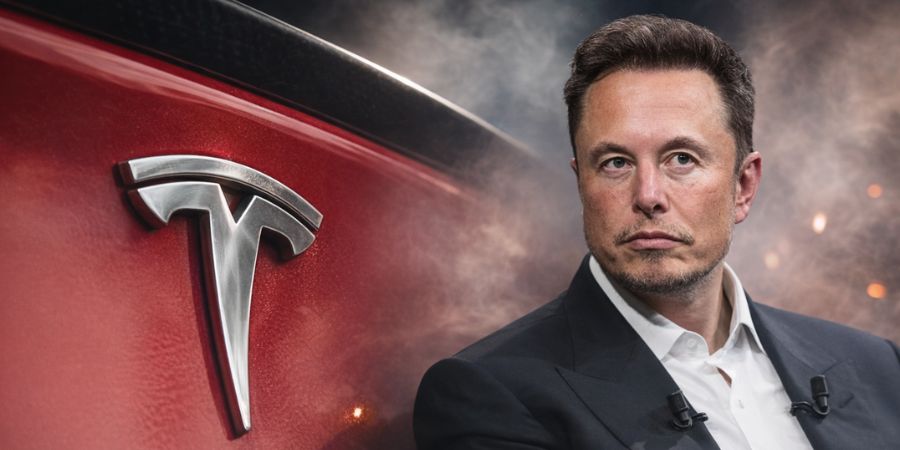
A wave of departures from the artificial intelligence startup founded by Elon Musk is making headlines today. Reports circulating on March 13, 2026, indicate that most of the original founders of xAI have left the company, leaving only two of the original eleven still involved. The sudden exits have triggered widespread discussion across the tech industry and social media.
The development has raised concerns about the stability of Musk’s ambitious AI venture. According to multiple reports, internal friction and strategic disagreements may be behind the departures, sparking speculation about the future direction of the company.
Founder Departures Trigger Industry Attention
The situation gained attention after confirmations that key co-founders, including Zihang Dai and Guodong Zhang, have left the organization. Their exits mark a significant shift in leadership for the startup that once assembled some of the most respected AI researchers in the industry.
Originally launched with eleven founding members, the rapid reduction in leadership has fueled the narrative of a “mass exodus.” Analysts note that losing multiple founding figures within a short period can indicate deeper internal challenges within a fast-growing technology company.
Despite the departures, the company has not publicly confirmed the reasons behind the exits. However, the scale of the leadership change has prompted close scrutiny from investors, researchers, and competitors in the artificial intelligence sector.
xAI’s Role in Musk’s Expanding Tech Empire
The AI startup is a key component of Elon Musk’s broader technology ecosystem, which includes companies such as Tesla and SpaceX. Reports suggest that the AI firm is now owned or closely integrated with SpaceX, highlighting Musk’s strategy of building interconnected technological platforms.
xAI was created with the goal of developing advanced artificial intelligence systems capable of competing with leading global AI labs. The company quickly gained attention due to its recruitment of top researchers and its close alignment with Musk’s vision for powerful AI systems.
However, leadership departures at such an early stage could disrupt development timelines and long-term projects associated with the company.
Concerns Around the “Macrohard” Automation Project
The founder exits have also fueled speculation about the status of an ambitious automation initiative reportedly associated with the company, often referred to as the “Macrohard” project.
Industry observers believe this project aims to develop advanced automation and large-scale AI infrastructure capable of transforming sectors such as robotics, aerospace, and digital services. If true, such an initiative would require strong coordination among top researchers and engineers.
The departure of several founding members has raised questions about whether the project may face delays or strategic changes. Some analysts suggest internal disagreements over product direction, commercialization strategy, or technical priorities may have contributed to the leadership turnover.
Why the Story Is Trending Today
The news has gone viral across technology news platforms and social media channels because of the scale and speed of the departures. Founder exits are not unusual in startups, but losing the majority of an original founding team in a short timeframe is rare—especially for a high-profile AI company led by Elon Musk.
The timing also matters. The artificial intelligence sector is currently experiencing intense global competition, with tech giants and startups racing to develop next-generation AI models. Any sign of instability at a prominent AI company quickly attracts attention from investors, researchers, and the media.
Additionally, Elon Musk himself remains one of the most closely watched figures in technology and business, meaning developments surrounding his ventures often trend rapidly online.
What Comes Next for Elon Musk’s xAI
Despite the leadership changes, Elon Musk’s xAI still holds significant resources and technological ambition. Musk’s track record of pushing ambitious engineering projects—from electric vehicles to reusable rockets—suggests the company may continue to pursue its AI goals aggressively.
However, rebuilding stability within the leadership team may be essential for maintaining research momentum and industry confidence. Recruiting new AI talent and clarifying the company’s long-term roadmap could become key priorities in the coming months.
As the AI race accelerates worldwide, the next steps taken by Elon Musk and the remaining leadership at xAI will likely determine whether the startup can overcome its internal turbulence and continue competing at the forefront of artificial intelligence innovation.
Read Also: Jim Shultman Wins Talent Acquisition Leader of the Year for AI Hiring