


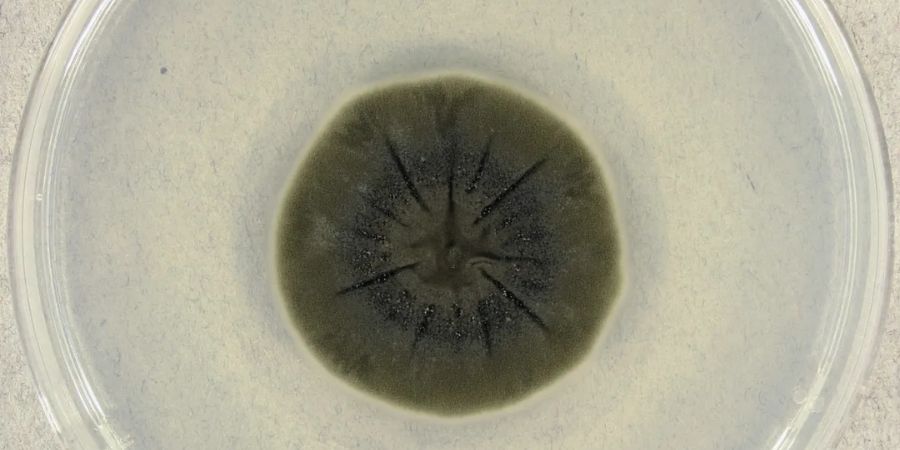
Chernobyl’s Radiation-Resilient Black Fungus
In the abandoned tunnels of the Chernobyl Nuclear Power Plant, scientists found something astounding: a black fungus that was assumed to be thriving despite high levels of radiation. This fungus — and such species as Cladosporium sphaerospermum in particular — is rich with melanin, the pigment that colors human skin. But unlike other creatures, which are killed by ionizing radiation, this fungus seems to grow toward it, a behavior known as radiotropism.
This finding was a direct assault on centuries-old beliefs about biology. They found that these melanin-rich fungi not only survive high levels of radiation but appear to thrive in it. It is thought that radiation-absorbing melanin serves as a protective shield, allowing the fungus to achieve cellular stability in extreme environments. That resistance and resilience are so unthinkably high that they have fueled researchers’ speculation about whether the organism’s melanin could somehow convert radiation directly into energy in a way similar to how plants convert sunlight in photosynthesis. The concept — known as radiosynthesis — has yet to be fully tested, but the preliminary results suggest that radiation can bolster not only fungal but whole ecosystems and metabolic processes.
A Fungus With Space-Age Potential
The ”radiation-eating fungus” is gaining attention for its possibly ground-breaking applications. One of the most promising applications is in exploring space, where astronauts are a risk due to radiation from cosmic sources. In a study on the International Space Station, for example, a thin layer of the fungus significantly reduced radiation levels beneath it, supporting that idea that fungal melanin could work as a natural self-healing shield against radiation.
A thicker layer of such fungus, along with Martian soil or other materials, could drastically lower the bad effects of radiation in deep-space habitats, researchers say. In time, this could result in biological radiation shields for spaceships, lunar habitation quarters and Martian encampments — a green alternative to the use of heavy metals or expensive synthetic substances.
Outside space missions, this one-of-a-kind fungus could inform new bioremediation techniques, in which living organisms assist in cleaning up toxic or radioactive environments on Earth. The melanin in the fungus is also being investigated as reinforcement for new advanced materials, which could be used to make radiation-resistant composites for future use in engineering and architecture.
While there is so far no direct evidence the fungus literally ‘eats’ radiation in a metabolic sense, we now know organisms like it can withstand unusually high quantities of certain types of ionizing radiation – and if they can live off the energy as well as simply survive will require further research. These fungi from the nuclear ruins to the far reaches of space could be a promising model for building sustainable space technology and developing radiation protection.
Read also: Rush Hour 4 Revived: Paramount Backs Franchise After Trump’s Reported Push