


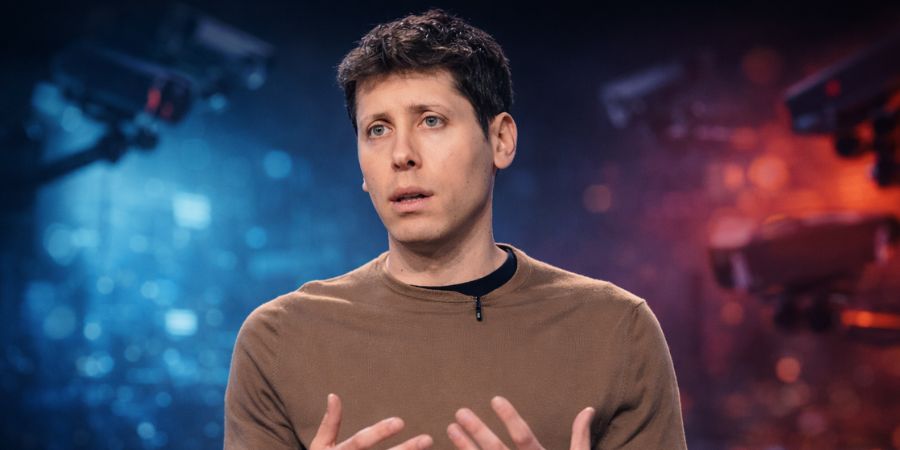
In a surprising admission that has sparked widespread debate across the tech industry, Sam Altman, CEO of OpenAI, acknowledged on March 9, 2026, that the company’s recent deal with the United States Department of Defense was “opportunistic and sloppy.” The statement comes amid a growing backlash from users of ChatGPT, with reports suggesting that more than 1.5 million users left the platform in protest over concerns about potential surveillance and government involvement.
Altman said the company is now amending the contract to explicitly prohibit any use of its AI technology for domestic surveillance, a move widely interpreted as an effort to rebuild trust with its global user base.
Why Sam Altman Is Trending Today
The controversy began circulating online after details of the defense-related agreement raised concerns among privacy advocates and technology observers. Critics feared the partnership could allow AI tools developed by OpenAI to be used for surveillance activities within the United States.
Within days, the backlash intensified on social media and technology forums, prompting a wave of users to deactivate or abandon their ChatGPT accounts. According to reports circulating online, approximately 1.5 million users reportedly left the platform, making the issue trend globally across technology and business discussions.
In response, Sam Altman addressed the criticism publicly, admitting that the deal had been handled poorly.
He described the agreement as “opportunistic and sloppy,” signaling an unusual level of transparency from a major tech executive during a public controversy.
OpenAI Moves to Amend the Defense Contract
Following the backlash, OpenAI announced that it is modifying the agreement with the U.S. Defense Department to clarify strict limitations on how its technology can be used.
According to statements shared by the company, the amended contract will include provisions that explicitly prohibit domestic surveillance activities involving OpenAI’s AI systems. The changes are intended to reassure users that the company’s technology will not be deployed in ways that could infringe on civil liberties.
The decision highlights how rapidly public pressure can influence policy decisions within technology companies—especially those developing powerful AI tools used by millions worldwide.
For OpenAI, the priority now appears to be restoring confidence in ChatGPT and reaffirming its commitment to responsible AI development.
A Crisis Management Case Study in Transparency
Business analysts say Sam Altman’s response is being viewed as a case study in crisis management and corporate transparency.
Rather than denying the criticism, Altman acknowledged the concerns and moved quickly to address them publicly. Experts note that this strategy—admitting mistakes while taking corrective action—can sometimes prevent a reputational crisis from escalating further.
Transparency has become increasingly important for technology companies as artificial intelligence tools expand into sensitive areas such as defense, security, and public infrastructure. Users are paying closer attention to how these systems are governed and who has access to them.
By openly admitting the deal was flawed and committing to stronger safeguards, Sam Altman may have helped shift the narrative from secrecy to accountability.
Growing Scrutiny Around AI and Government Partnerships
The controversy also reflects a broader debate about AI companies working with government and military institutions. As artificial intelligence becomes more powerful, partnerships between tech companies and defense agencies are expected to grow.
However, these collaborations frequently raise ethical questions about privacy, surveillance, and the potential misuse of advanced technologies.
OpenAI, which positions itself as a leader in responsible AI development, now faces increased scrutiny from both users and policymakers over how it navigates these relationships moving forward.
What Could Happen Next
While the immediate backlash may ease if the contract revisions satisfy privacy concerns, the incident has already intensified discussions about AI governance, corporate transparency, and public accountability.
For Sam Altman and OpenAI, the coming months will likely involve rebuilding trust with users while continuing to define clear boundaries for how their technology can be used—particularly when working with governments and defense organizations.
Read Also: Chuando Tan 60th Birthday Fitness Secrets Go Viral