


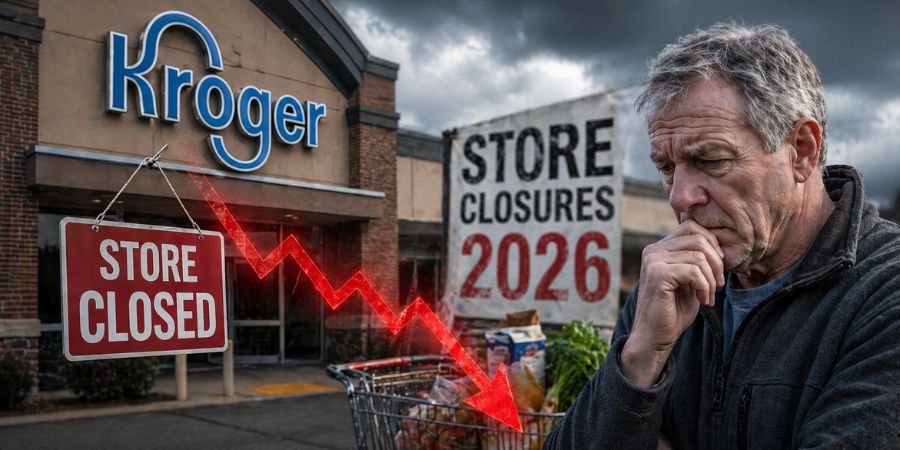
Have you ever walked into your usual grocery store only to find a sign announcing it’s closing soon? It feels unexpected, almost unsettling, especially when it’s a place you’ve relied on for years. That’s exactly the kind of reaction many shoppers are having as Kroger store closures continue to make headlines in 2026. At first glance, it might seem like just another corporate decision, but when you start digging deeper, a much bigger picture begins to emerge. These closures aren’t random, and they’re not happening in isolation.
In fact, they reflect shifting consumer habits, economic pressures, and a rapidly evolving retail landscape. And the truth is, once you understand what’s really going on, you’ll start noticing signs of change everywhere—from how you shop to where you shop. So, what’s driving these Kroger store closures, and why should it matter to you? Let’s break it down in a way that actually makes sense.
What Are Kroger Store Closures and Why Are They Happening?
Kroger store closures refer to the company’s decision to shut down certain underperforming or strategically misaligned locations across the country. While store closures are nothing new in retail, the scale and timing of these closures in 2026 have raised serious questions.
The primary reason behind Kroger store closures is simple: profitability. Not every store generates enough revenue to justify its operating costs. Rising expenses such as rent, wages, logistics, and utilities are putting pressure on margins, forcing companies like Kroger to reevaluate their footprint.
However, profitability is just one piece of the puzzle. There are several underlying factors contributing to Kroger store closures:
- Changing consumer behavior
- Growth of online grocery shopping
- Increased competition from discount retailers
- Supply chain disruptions
- Economic uncertainty
When you combine all these elements, it becomes clear that Kroger store closures are part of a broader transformation rather than an isolated issue.
The Real Economic Pressures Behind Kroger Store Closures
Rising Operational Costs
One of the biggest drivers of Kroger store closures is the sharp increase in operational expenses. Running a physical store has become significantly more expensive over the past few years. From employee wages to energy costs, everything is on the rise.
Even a slight dip in sales can turn a profitable store into a liability. That’s why Kroger is focusing on efficiency, closing locations that no longer meet financial expectations.
Inflation and Consumer Spending
Inflation has changed the way people shop. Customers are becoming more price-conscious, often opting for cheaper alternatives or reducing their overall spending. This shift directly impacts revenue, especially for stores in areas with high competition.
As a result, Kroger store closures are sometimes concentrated in regions where spending patterns have changed dramatically.
How Online Shopping Is Accelerating Kroger Store Closures
The rise of online grocery shopping is another major factor behind Kroger store closures. More people now prefer the convenience of ordering groceries from their phones rather than visiting a physical store.
The Shift to Digital Convenience
Online platforms offer:
- Home delivery
- Easy price comparison
- Time-saving convenience
- Personalized recommendations
This shift has reduced foot traffic in many brick-and-mortar locations, making it harder for some stores to stay profitable.
Kroger’s Digital Strategy
Interestingly, Kroger isn’t ignoring this trend. Instead, it’s investing heavily in digital infrastructure, automated warehouses, and delivery systems. In many cases, Kroger store closures are happening alongside the expansion of online services.
This means the company isn’t shrinking—it’s evolving.
Competition Is Tougher Than Ever
Retail competition has intensified, and Kroger store closures are partly a response to that pressure.
Discount Retailers and Big-Box Stores
Competitors offering lower prices are attracting budget-conscious shoppers. These retailers often operate with lower overhead costs, allowing them to undercut traditional grocery chains.
Specialty and Local Stores
On the other end of the spectrum, specialty stores are gaining popularity by offering unique products, organic options, and premium experiences.
This dual pressure—low-cost competitors on one side and niche players on the other—makes it difficult for mid-range grocery stores to maintain their market share.
Community Impact of Kroger Store Closures
Kroger store closures don’t just affect the company—they impact entire communities.
Job Losses
When a store shuts down, employees are often the first to feel the effects. While some may be relocated, others may lose their jobs entirely.
Reduced Access to Groceries
In certain areas, especially underserved neighborhoods, Kroger store closures can create “food deserts,” where residents have limited access to fresh and affordable groceries.
Local Economic Effects
Grocery stores often serve as anchors for local shopping centers. When they close, nearby businesses can also suffer due to reduced foot traffic.
Strategic Closures vs. Business Failure
It’s important to understand that Kroger store closures don’t necessarily mean the company is struggling.
A Strategic Move
In many cases, closures are part of a larger strategy to:
- Optimize store locations
- Improve overall efficiency
- Invest in high-growth areas
- Strengthen digital capabilities
This approach allows Kroger to remain competitive in a rapidly changing market.
Quality Over Quantity
Instead of maintaining a large number of underperforming stores, Kroger is focusing on fewer, more efficient locations that deliver better customer experiences.
What Shoppers Can Expect Moving Forward
Kroger store closures may feel inconvenient at first, but they often lead to changes that benefit customers in the long run.
Improved Online Services
Expect faster deliveries, better app experiences, and more personalized shopping options.
Upgraded Remaining Stores
Kroger is investing in renovating existing stores, adding new features, and improving product selection.
Hybrid Shopping Models
The future of grocery shopping is likely to combine online convenience with in-store experiences. Kroger store closures are paving the way for this hybrid model.
Signs Your Local Store Might Be at Risk
While not every store is affected, certain warning signs can indicate potential Kroger store closures:
- Declining foot traffic
- Limited product availability
- Reduced store hours
- Lack of maintenance or upgrades
If you notice these changes, it could mean the store is under evaluation.
The Bigger Retail Transformation
Kroger store closures are just one part of a larger shift happening across the retail industry.
Automation and Technology
Retailers are adopting automation to reduce costs and improve efficiency. This includes self-checkout systems, robotic warehouses, and AI-driven inventory management.
Data-Driven Decisions
Companies now rely heavily on data to determine which stores to keep and which to close. This means decisions are more strategic than ever before.
How to Adapt as a Shopper
If Kroger store closures affect your area, there are ways to adapt without major inconvenience.
Explore Online Options
Take advantage of grocery delivery and pickup services to save time and effort.
Compare Alternatives
Look for nearby stores that offer competitive pricing and similar product ranges.
Plan Your Shopping
With fewer physical locations, planning your trips can help you stay efficient and avoid last-minute hassles.
Are Kroger Store Closures a Temporary Trend?
This is one of the most common questions people are asking in 2026. The answer isn’t straightforward.
While some closures may slow down, the overall trend of optimization and transformation is likely to continue. Retail is evolving, and companies must adapt to survive.
Kroger store closures are not just a short-term reaction—they’re part of a long-term strategy to stay relevant in a changing world.
FAQs About Kroger Store Closures
1. Why are Kroger store closures happening in 2026?
Kroger store closures are primarily driven by rising costs, changing consumer behavior, and increased competition. The company is also shifting focus toward digital and efficient operations.
2. Are Kroger store closures a sign of financial trouble?
Not necessarily. Many closures are strategic decisions aimed at improving overall performance rather than indicating financial distress.
3. How do Kroger store closures affect employees?
Employees may be relocated to nearby stores, but some positions may be lost depending on the situation.
4. Will more Kroger store closures happen in the future?
It’s possible. As the retail industry continues to evolve, Kroger may continue adjusting its store network.
5. What should customers do if their local store closes?
Customers can explore online shopping options, visit nearby stores, or try alternative grocery retailers.
Conclusion
Kroger store closures in 2026 might seem alarming at first, but they reveal something much bigger about the future of retail. This isn’t just about stores shutting down—it’s about transformation, adaptation, and staying competitive in a world that’s changing faster than ever. As consumers, we’re also part of this shift, whether we realize it or not. The way we shop, the choices we make, and the convenience we expect are all influencing these decisions. And while closures can be inconvenient, they often lead to better systems, improved services, and more efficient shopping experiences. Once you start looking at Kroger store closures through this lens, they don’t feel like an end—they feel like a transition toward something new.
Also Read: 15 Powerful Growth Navigate Startup Tools Every Founder Needs in 2026