


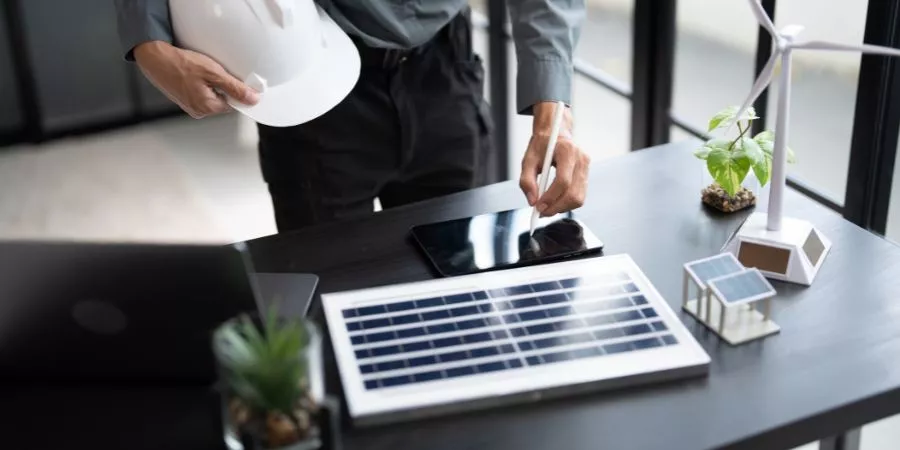
The global energy transition is at a critical juncture. With the population growing and concerns about global warming escalating, conventional sources of energy are becoming unsustainable. The futuristic energy systems are poised to transform the entire energy production, storage, and consumption paradigm. Concepts like smart grids and clean hydrogen are just some of the innovations; many others are on the cusp of entering reality.
This shift and adoption of these innovative solutions call for collective ingenuity. Researchers and policymakers have already begun discussing or working on how such innovative technologies can come together in such a way that the effects on the environment caused by technology are reduced or minimal. This blog will walk you through some of the best and boldest future energy sources.
Solar Power Revolution: Harnessing the Sun in New Ways
Solar power has been at the heart of renewable energy for many years, but futuristic energy technologies are raising the bar for solar. Modern solar panels are not merely more efficient, but they also come in flexible and lightweight varieties that can easily be incorporated into everyday materials. Solar windows and Building Integrated Photovoltaics are also being developed that can convert an entire building into a power-producing entity. Cities can thus easily function as self-contained environments without relying on conventional power grids.
In addition, advances in solar energy storage are closing the demand-supply gap. With new technologies, solar energy can be stored efficiently for the evening or for cloudy days. Solar energy production and storage are therefore guaranteed to be stable, sustainable, and secure. With declining costs, solar energy is set to take center stage in the global energy sector.
Wind Energy Innovations: Beyond Traditional Turbines
Wind energy is fast moving beyond giant turbines dotting open areas. The more futuristic energy solutions include vertical-axis turbines, floating offshore wind farms, and even airborne wind energy systems. These innovations make energy generation more efficient, take up less space, and unlock whole new opportunities for the source of energy in areas previously unsuitable for it.
Another game-changer is the integration with smart grids. By connecting wind farms into AI-driven systems, energy distribution is optimized in real time to reduce waste and further stabilize the grid. Also, hybrid systems that couple wind and solar together will ensure communities have constant access to clean energy when winds fluctuate. This evolution shows how technology has made renewable energy more practical and scalable.
Hydrogen Power: The Fuel of the Future
Hydrogen has been touted as the holy grail of clean fuel sources, and the future of energy sources is rapidly making it a reality. Hydrogen is a zero-carbon fuel because, unlike fossil fuel, its combustion leaves no trace but water. Advances in the production of green hydrogen are increasingly making its production cheaper and eco-friendlier at the same time.
The applications of hydrogen include transportation, industries, and even energy storage. Fuel cells can be used to power transportation, ships, and industrial equipment, while also storing additional energy generated from renewables. The significant investments made in the infrastructure of the hydrogen industry by governments and companies mean that the industry is set to be the backbone of the global transition to the low carbon era.
Smart Grids and Energy Storage: Smarter Power
The energy of the future is not only related to energy generation, but intelligence is also involved. Smart energy grids and intelligent energy storage systems have significant importance in the energy solutions of the future. Smart energy grids rely on data, analytics, and automation.
Energy storage, especially in next-generation batteries and supercapacitors, also provides the necessary energy when and if needed. This reduces the intermittency problems commonly found in other renewable resources such as solar and wind energy. Moreover, decentralized energy infrastructure such as micro-grids within homes also enables consumers to produce and store their own energy as well.
Fusion Energy: Tapping the Power of the Stars
Fusion energy is one of the most ambitious mantras of the future. Instead of fission, the method of nuclear energy plants today that splits atoms, fusion combines them-releasing immense amounts of energy without radioactive waste. Many people considered fusion a science fiction dream for the last several decades, but within the past year or so, breakthroughs in containment technology and plasma physics have brought us closer than ever.
Projects like ITER in France, and those continuous private fusion startups, prove that controlled fusion could well become a reality soon. If harnessed effectively, fusion could finally provide the world with limitless, safe, and clean energy-manifesting global power generation and significantly reducing carbon emission. Though a number of challenges remain, the promise of fusion represents the pinnacle of futuristic energy innovation.
Ocean and Tidal Energy – Harnessing the World’s Water Resources
Water resources offer another yet untapped opportunity for renewable energy. The alternative or futuristic energy resources include tidal power, wave energy conversion, or ocean thermal energy conversion. The energy resources utilize the motion of the ocean or tide, which provides a predictable form of energy.
First, it is more reliable. Tidal or ocean energy is not dependent on weather like solar and wind energy. This makes it very ideal for regions where weather changes can have detrimental effects. Communities along the coast will now have access to sustainable energy. This will help in mitigating the effects of climate change because it is derived from renewable sources.
Artificial Intelligence and IoT in Energy Management
Artificial Intelligence and the Internet of Things are revolutionizing energy systems into smart, adaptive networks. Futuristic solutions in energy henceforth incorporate AI-driven analytics that anticipate consumption patterns, optimize energy distribution, and also detect system inefficiencies before they escalate.
IoT-enabled devices, from smart thermostats to connected appliances, enable consumers and businesses to participate actively in energy efficiency. By integrating AI with IoT, energy systems dynamically adapt to demand, reduce waste, and maximize renewable energy utilization. This synergy between technology and energy will be instrumental in building a sustainable and resilient energy future.
Conclusion: The Path to a Sustainable Energy Future
Futuristic energy alternatives are no longer ideas for the future but are in fact driving the world we live in today. Whether in the realms of solar and wind, or in the domains of hydrogen, fusion energy, and smart grids, every discovery propels us toward a cleaner energy future.
The implementation of these technologies will need investments, collaborations, and visionary policy supports. The potential for positive outcomes is vast: lower emissions, energy security, and a planet capable of supporting generations to come. By adopting these technologies, the future of energy will emerge in a world of intelligence, sustainability, and infinite potential.